


Important Safety Information Full Prescribing Information ZILBRYSQ REMS
As a clinician, I was pleased to learn about ZILBRYSQ as a treatment option for my adult patients with gMG. This FDA-approved self-administered complement C5 inhibitor is approved for treating anti-AChR Ab+ gMG in adults. I encourage you to explore the clinical data to determine how it may benefit your practice.

KOL Image KOL Image KOL Image

Suraj Muley, MD*

Professor of Neurology

As a clinician, I was pleased to learn about ZILBRYSQ as a treatment option for my adult patients with gMG. This FDA-approved self-administered complement C5 inhibitor is approved for treating anti-AChR Ab+ gMG in adults. I encourage you to explore the clinical data to determine how it may benefit your practice.


Explore the Phase 3 clinical trial data for ZILBRYSQ for adults with anti-AChR Ab+ gMG.

arrow icon

*Dr Suraj Muley is a paid consultant of UCB, Inc.

Efficacy

Explore clinical trial data for ZILBRYSQ

Arrow Image

Safety

See ZILBRYSQ REMS and safety data

Arrow Image

Dosing

ZILBRYSQ dosing &
administration

Arrow Image

Resources

Explore these helpful resources for your practices

Arrow Image

As a clinician, I was pleased to learn about ZILBRYSQ as a treatment option for my adult patients with gMG. This FDA-approved self-administered complement C5 inhibitor is approved for treating anti-AChR Ab+ gMG in adults. I encourage you to explore the clinical data to determine how it may benefit your practice.

KOL Image KOL Image KOL Image

As a clinician, I was pleased to learn about ZILBRYSQ as a treatment option for my adult patients with gMG. This FDA-approved self-administered complement C5 inhibitor is approved for treating anti-AChR Ab+ gMG in adults. I encourage you to explore the clinical data to determine how it may benefit your practice.

Dr Suraj Muley is a paid consultant of UCB, Inc.

Suraj Muley, MD*

Professor of Neurology

Bob Bove Neuroscience Institute

Paradise Valley, AZ

ZILBRYSQ is a first-of-its-kind small peptide C5 inhibitor approved for the treatment of gMG in adult patients who are anti-AChR Ab+1,2

STUDY DESIGNS

ZILBRYSQ was studied in a Phase 3 pivotal trial and extension study

RAISE: Phase 3 study included adult patients with mild-to-severe anti-AChR Ab+ gMG1

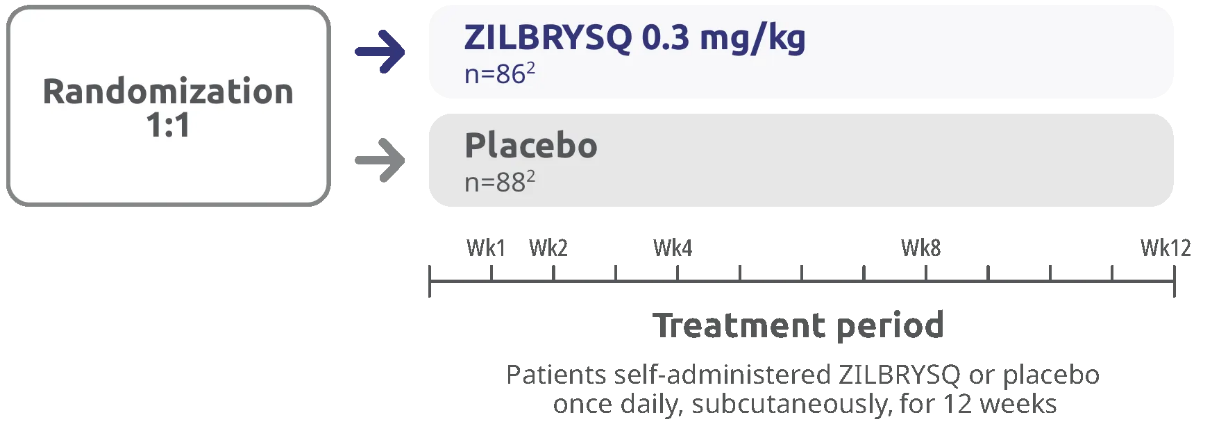
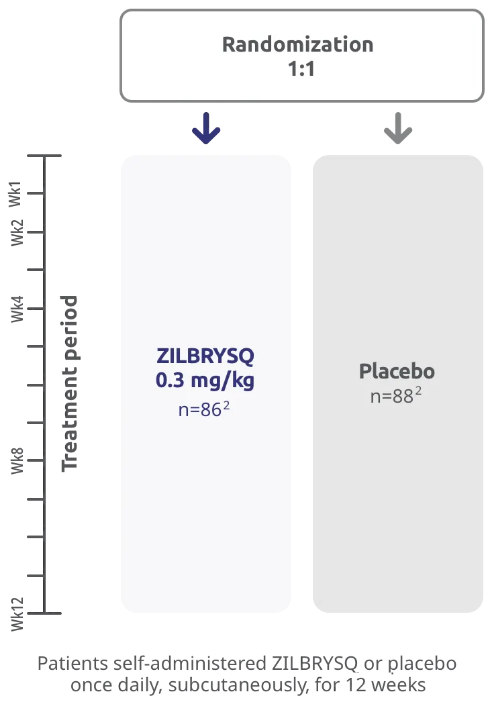
The efficacy and safety of ZILBRYSQ for the treatment of generalized myasthenia gravis (gMG) in adult patients who are anti-acetylcholine receptor (AChR) antibody positive (Ab+) were established in a 12-week, multicenter, randomized, double-blind, placebo-controlled study.

A total of 174 patients were randomized to receive either ZILBRYSQ (n=86) or placebo (n=88) once daily by subcutaneous injection. Patients on concomitant medications to treat gMG continued on therapy at stable doses throughout the study.

RAISE study design
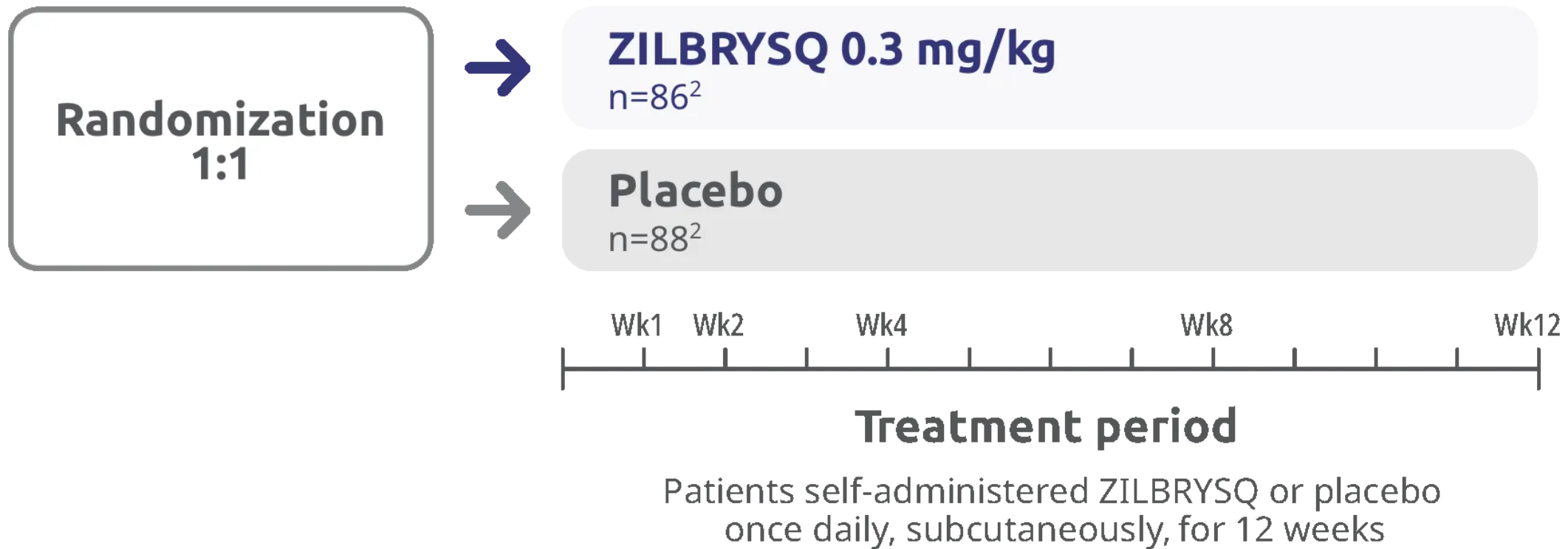
Chart representing RAISE study design Chart representing RAISE study design Chart representing RAISE study design
Primary Endpoint at Week 12

Primary Endpoint at Week 12:

  • Change from baseline (CFB) in MG-Activities of Daily Living (MG-ADL) total score
Select Secondary Endpoints at Week 12

Select Secondary Endpoints at Week 12:

  • CFB in Quantitative Myasthenia Gravis (QMG) score
  • CFB in Myasthenia Gravis Composite (MGC) score
  • CFB in Myasthenia Gravis Quality of Life-15 revised (MG-QoL 15r) score

Inclusion criteria2

Inclusion criteria
  • Diagnosis of mild-to-severe gMG (Myasthenia Gravis Foundation of America clinical classification class II to IV)
  • Positive serology for AChR-binding autoantibodies


  • MG-ADL total score of ≥6
  • Those on MG therapy prior to screening needed to maintain a stable dose (includes acetylcholinesterase [AChE] inhibitors, steroids, or non-steroidal immunosuppressive therapies [NSISTs], either in combination or alone)

Exclusion criteria included1:

  • Those who had had a thymectomy within 12 months before baseline or were scheduled to have one during the 12-week study
  • Those who had received treatment with intravenous immunoglobulin, subcutaneous immunoglobulin, or plasma exchange within 4 weeks before baseline

Patient demographics1

  Placebo
(n=88)
ZILBRYSQ 0.3 mg/kg
(n=86)
Mean age in years (SD) 53.3 (15.7) 52.6 (14.6)
Gender distribution, female, n (%) 47 (53%) 52 (60%)
Race, White, n (%) 62 (70%) 66 (77%)
Race, Asian, n (%) 14 (16%) 7 (8%)
Race, Black, n (%) 7 (8%) 6 (7%)
Race, American Indian or Alaskan native, n (%) 1 (1%) 0
Race, missing, n (%) 4 (5%) 7 (8%)
Ethnicity, Hispanic or Latino, n (%) 5 (6%) 7 (8%)
Ethnicity, missing, n (%) 4 (5%) 7 (8%)
Mean duration of disease in years (SD) 9.0 (10.4) 9.3 (9.5)
MGFA class II, n (%) 27 (31%) 22 (26%)
MGFA class III, n (%) 57 (65%) 60 (70%)
MGFA class IV, n (%) 4 (5%) 4 (5%)
Mean MG-ADL score (SD) 10.9 (3.4) 10.3 (2.5)
Mean QMG score (SD) 19.4 (4.5) 18.7 (3.6)
Mean MGC score (SD) 21.6 (7.2) 20.1 (6.0)
Mean MG-QoL 15r score (SD) 18.9 (6.8) 18.6 (6.6)
Treatment refractory, n (%)* 44 (50%) 44 (51%)
Baseline myasthenia gravis medications, n (%)    
Cholinesterase inhibitor 73 (83%) 74 (86%)
Corticosteroids 51 (58%) 59 (69%)
Azathioprine or mycophenolate mofetil 35 (40%) 30 (35%)
Cyclosporine, methotrexate, or tacrolimus 15 (17%) 12 (14%)

A participant was considered treatment refractory if they had treatment for at least 1 year with 2 or more of the following therapies: prednisone, azathioprine, mycophenolate, cyclosporine, cyclophosphamide, methotrexate, tacrolimus, rituximab, eculizumab, or other corticosteroids; or a history of treatment with at least 1 of these therapies for 1 year or more and required chronic plasma exchange, intravenous immunoglobulin, or subcutaneous immunoglobulin at least every 3 months for the 12 months before enrollment.

Safety set, includes all participants who received at least 1 dose of study drug with participants analyzed based on the study treatment received.

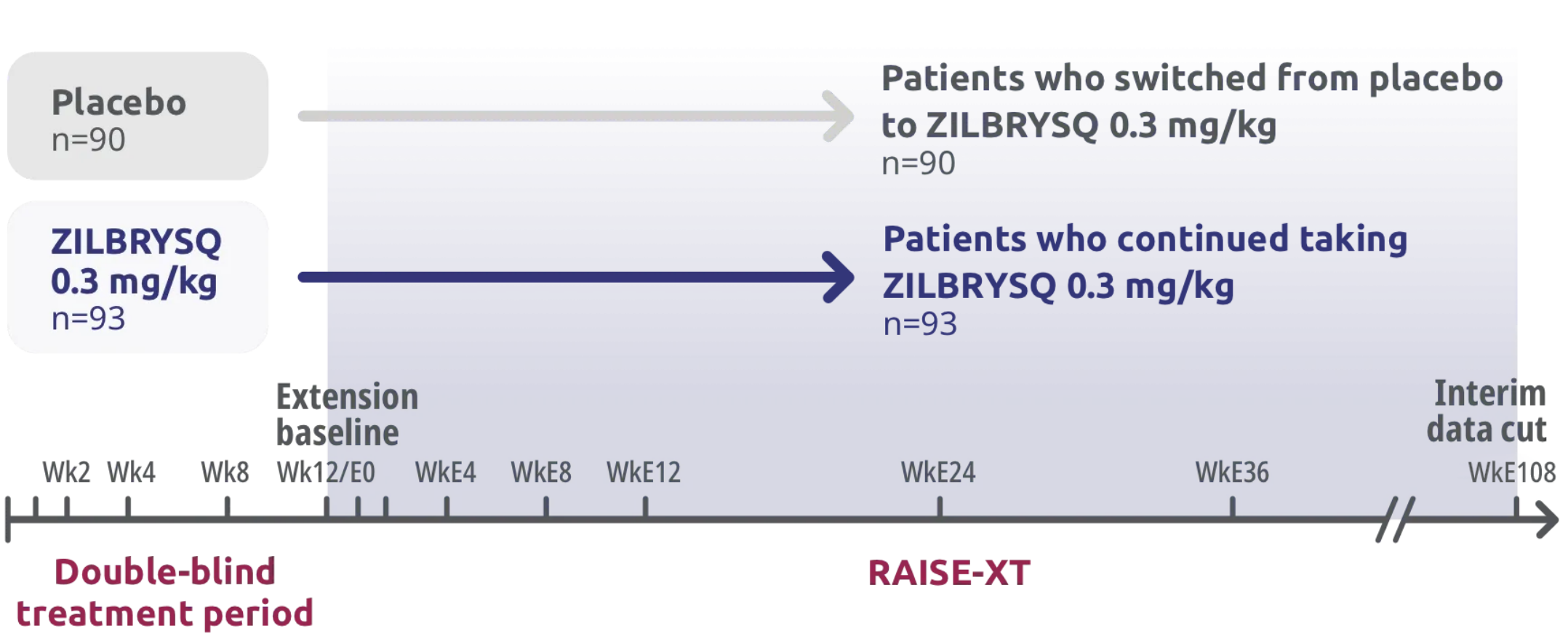
RAISE-XT: an extension study of adult patients who opted to continue on ZILBRYSQ or switch to ZILBRYSQ from placebo3,4

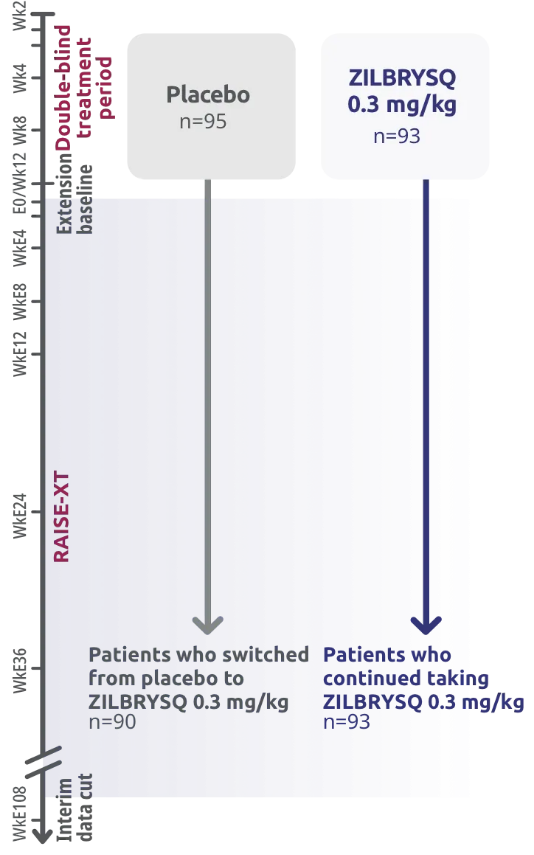
The primary objective of RAISE-XT was to evaluate the long-term safety and tolerability of ZILBRYSQ in study participants with gMG. Long-term efficacy was also studied through multiple measures as select secondary endpoints. This open-label extension is an ongoing study with the current interim data cut (November 11, 2023) at Week E108.

RAISE-XT: extension study

Chart representing RAISE-XT: extension study Chart representing RAISE-XT: extension study Chart representing RAISE-XT: extension study

RAISE-XT evaluated 200 adult patients from either Phase 2 or 3, including 17 patients from Phase 2 who started with or switched to 0.1 mg/kg. The graphic above shows only the patients continuing or switching to ZILBRYSQ at the approved dosage (0.3 mg/kg) and are solely represented in the subsequent analyses on efficacy.3,4

At the time of data cutoff (November 11, 2023), most patients who entered RAISE-XT (73%) were still enrolled, with no discontinuations reported by the investigators as being due to lack of efficacy.5

Primary Endpoint

Primary Safety Endpoint:

  • Incidence of treatment-emergent adverse events
100% of patients who completed the RAISE study opted into RAISE-XT

100% of patients who completed the RAISE study opted into RAISE-XT.3

Select Secondary Endpoints at Week E12

Select Secondary Endpoints at Week E12:

  • CFB in MG-ADL score
  • CFB in QMG score
  • CFB in MGC score
  • CFB in MG-QoL 15r score

EFFICACY

RAISE: Primary Endpoint MG-ADL

Rapid and statistically significant improvements in patients’ ability to manage activities of daily living at Week 121,2

Primary endpoint: CFB in MG-ADL total score at Week 12

Chart representing Primary endpoint: CFB in MG-ADL total score at Week 12 Chart representing Primary endpoint: CFB in MG-ADL total score at Week 12 Chart representing Primary endpoint: CFB in MG-ADL total score at Week 12
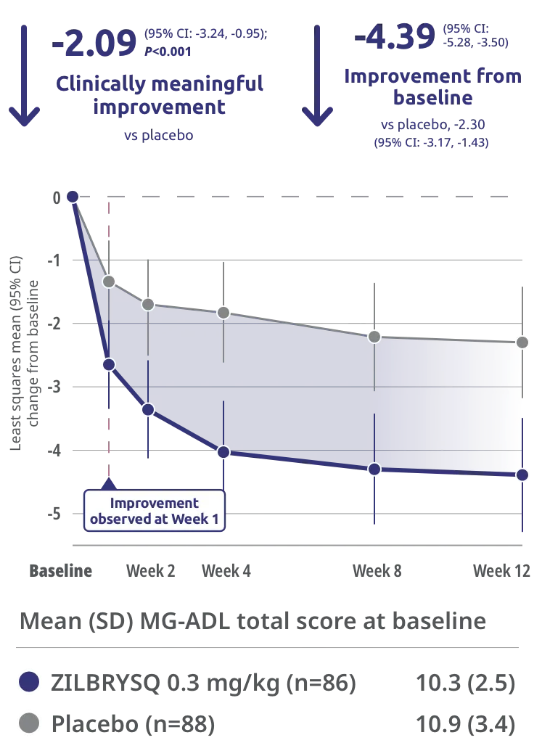
Clinically meaningful was defined as a ≥2-point change in MG-ADL score.1

The safety and efficacy of ZILBRYSQ were evaluated in a 12-week, multicenter, randomized, double-blind, placebo-controlled study. The patient population included adult patients with a diagnosis of mild-to-severe gMG (MGFA class II-IV).2

The most common adverse reactions (reported in at least 10% of patients treated with ZILBRYSQ) were injection site reactions, upper respiratory tract infections, and diarrhea.2

MG-ADL scale overview

MG-ADL

Assesses the impact of gMG on daily functions of 8 symptoms on a scale of 0 to 3, with total scores ranging from 0 to 24. Higher scores are interpreted as greater impairments.2

  • An improvement of ≥2 points was established as clinically meaningful.1

Measures include6:

  • Talking
  • Chewing
  • Swallowing
  • Breathing
  • Brushing teeth and/or combing hair
  • Rising from a chair
  • Diplopia
  • Eyelid droop

RAISE-XT: Secondary Endpoint MG-ADL

Sustained efficacy through Week E1083,5

The primary endpoint of RAISE-XT evaluated the long-term safety and tolerability of ZILBRYSQ.

Secondary endpoint: 3.69-point CFB observed at Week E12 in MG-ADL score for patients who switched to ZILBRYSQ from placebo (mITT population)
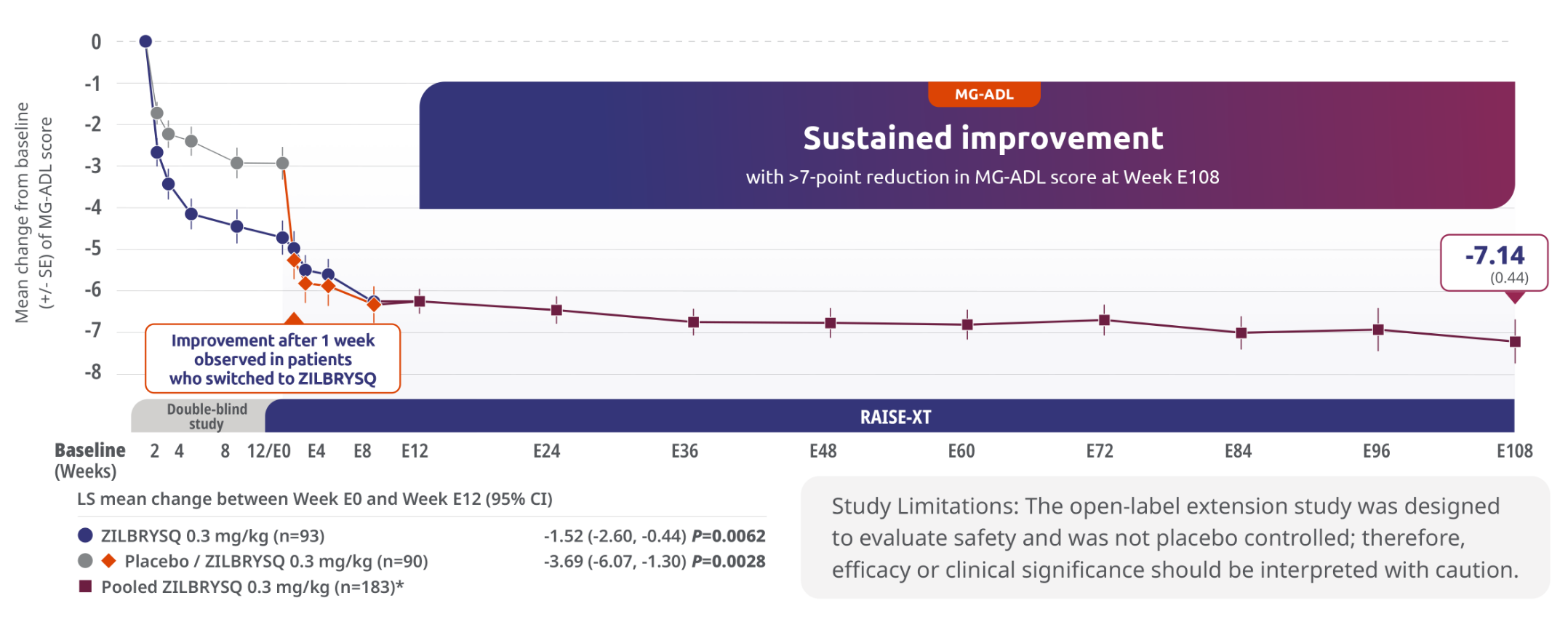
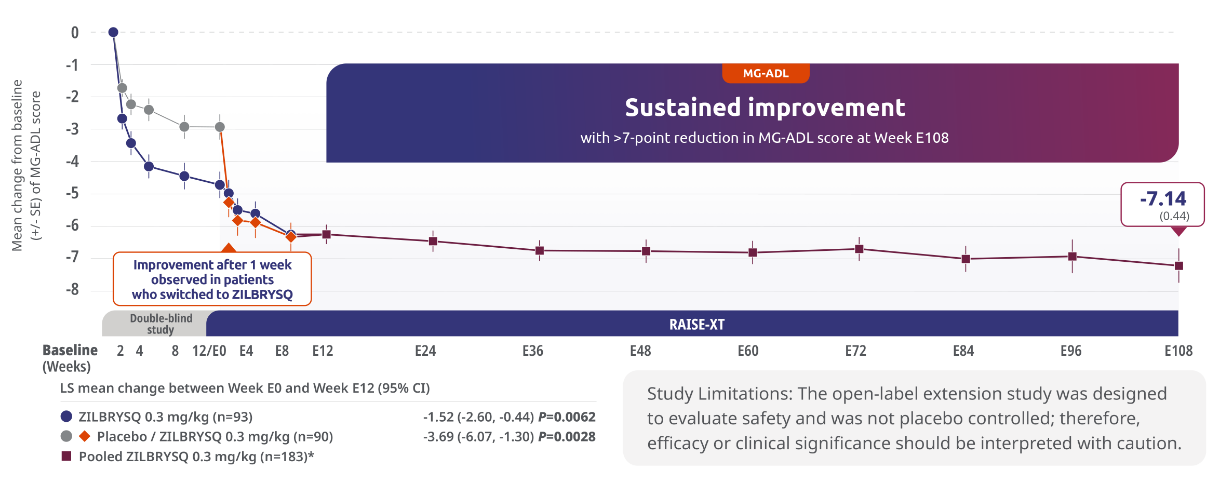
Chart representing Secondary endpoint: 3.69-point CFB observed at Week E12 in MG-ADL score for patients who switched to ZILBRYSQ from placebo (mITT population) Chart representing Secondary endpoint: 3.69-point CFB observed at Week E12 in MG-ADL score for patients who switched to ZILBRYSQ from placebo (mITT population) Chart representing Secondary endpoint: 3.69-point CFB observed at Week E12 in MG-ADL score for patients who switched to ZILBRYSQ from placebo (mITT population)
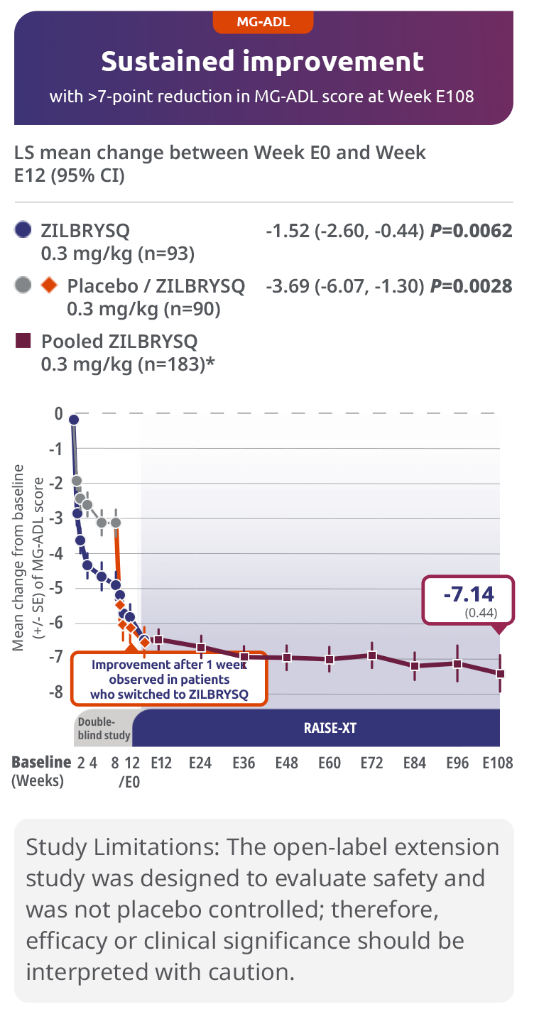
The long-term safety, tolerability, and efficacy were evaluated in an open-label extension study that comprised gMG patients who participated in either Phase 2 or Phase 3 (RAISE) of the clinical trials.3

RAISE-XT evaluated 200 adult patients from either Phase 2 or 3, including 17 patients from Phase 2 who started with or switched to 0.1 mg/kg. The graphic above shows only the 183 patients continuing or switching to ZILBRYSQ at the approved dosage (0.3 mg/kg) and are solely represented in the subsequent analyses on efficacy. Data cutoff: November 11, 2023.3,4

Includes pooled data of patients from Week E12-Week E108.4

MG-ADL responder rates for ZILBRYSQ in RAISE and RAISE-XT2,4

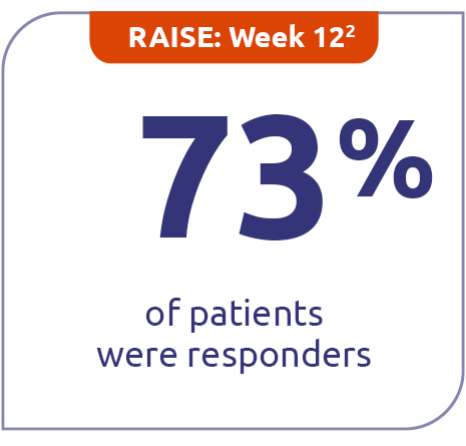
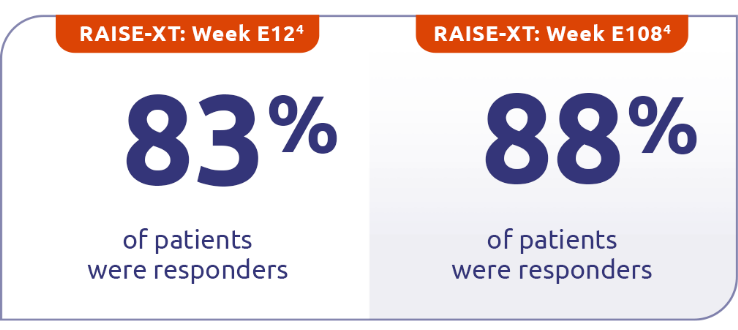
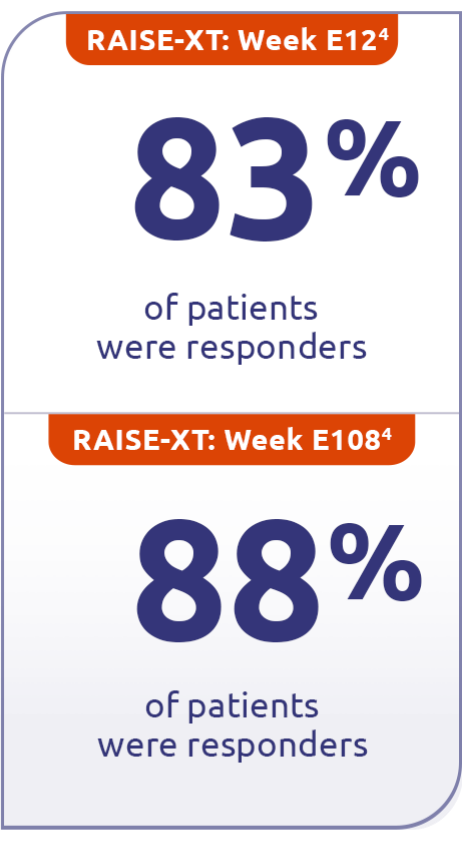
A high proportion of patients taking ZILBRYSQ were MG-ADL clinical responders (≥3-point improvement from baseline) at Week 12 and Week E108.2,4

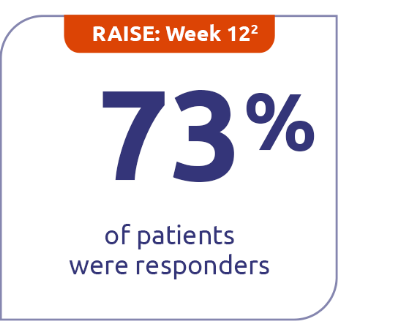
Chart representing MG-ADL responder rates for ZILBRYSQ in RAISE and RAISE-XT Chart representing MG-ADL responder rates for ZILBRYSQ in RAISE and RAISE-XT Chart representing MG-ADL responder rates for ZILBRYSQ in RAISE and RAISE-XT

73% (n=86) with ZILBRYSQ in
RAISE vs 46% (n=88) with placebo
(P<0.001)2

73% (n=86) with ZILBRYSQ in RAISE vs 46% (n=88) with placebo (P<0.001)2

Chart representing MG-ADL responder rates for ZILBRYSQ in RAISE and RAISE-XT Chart representing MG-ADL responder rates for ZILBRYSQ in RAISE and RAISE-XT Chart representing MG-ADL responder rates for ZILBRYSQ in RAISE and RAISE-XT

In pooled data of patients taking ZILBRYSQ in RAISE-XT (n=183), 83% were responders at Week E12, followed by 88% at Week E1084†

Responder rate was specified as an other secondary efficacy endpoint in the RAISE study and an exploratory efficacy endpoint in RAISE-XT. Results should be interpreted with caution.1,3

Study Limitations: The open-label extension study was designed to evaluate safety and was not placebo controlled; therefore, efficacy or clinical significance should be interpreted with caution.

Includes pooled data of patients from Phases 2 and 3 of the clinical study who continued on ZILBRYSQ or switched to ZILBRYSQ from placebo. Data cutoff: November 11, 2023.4

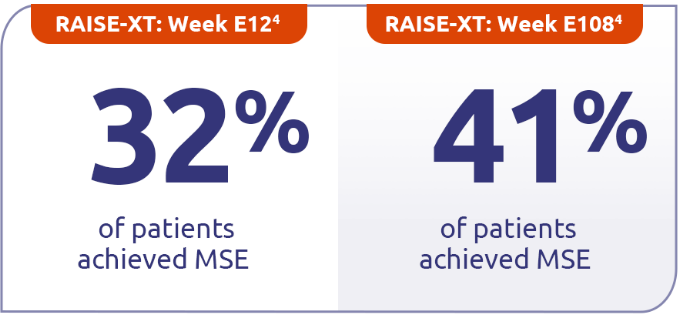
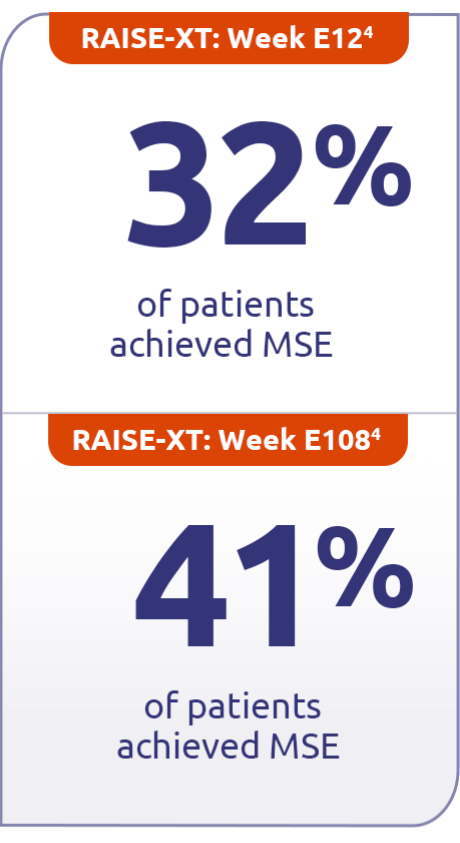
Continued minimal symptom expression (MSE) in patients through Week E1084

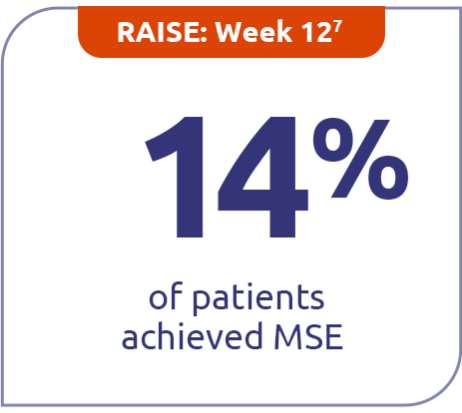
Patients who achieved MSE (mITT population) in either RAISE or RAISE-XT achieved an MG-ADL score of 0 or 1 without rescue therapy.3
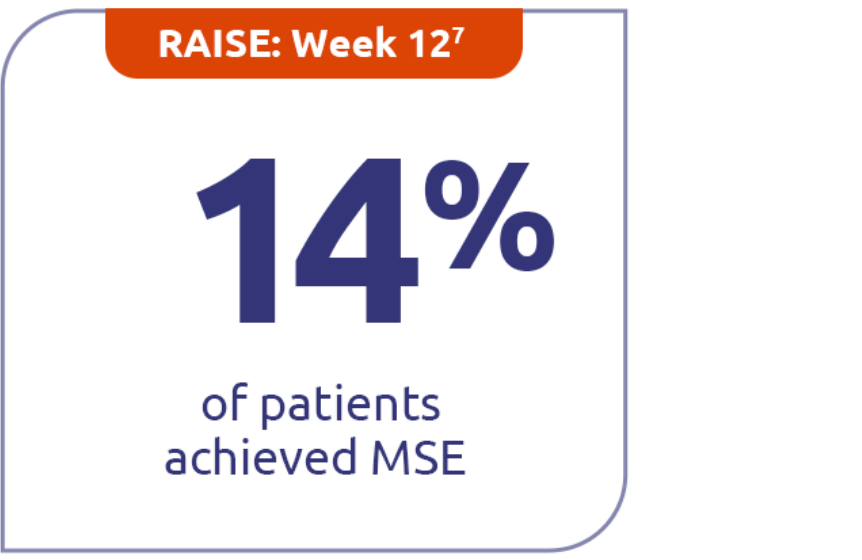
Chart representing Continued minimal symptom expression (MSE) in patients through Week E108 Chart representing Continued minimal symptom expression (MSE) in patients through Week E108 Chart representing Continued minimal symptom expression (MSE) in patients through Week E108

Mean (SD) MG-ADL total
score at baseline1

  • 10.9 (3.4) for placebo
  • 10.3 (2.5) for ZILBRYSQ

14% (n=86) with ZILBRYSQ in RAISE vs 5.8% (n=88) with placebo (P=0.0885)7

14% (n=86) with ZILBRYSQ in RAISE vs 5.8% (n=88) with placebo (P=0.0885)7

Chart representing Continued minimal symptom expression (MSE) in patients through Week E108 Chart representing Continued minimal symptom expression (MSE) in patients through Week E108 Chart representing Continued minimal symptom expression (MSE) in patients through Week E108

Mean (SD) MG-ADL total score at baseline1

  • 6.3 (4.3) for ZILBRYSQ4

In pooled data of patients taking ZILBRYSQ in RAISE-XT (n=183)4‡

MSE was defined as an MG-ADL total score of 0-1. MSE was specified as an other secondary efficacy endpoint in the RAISE study and an exploratory endpoint in RAISE-XT. Results should be interpreted with caution.1,3

Study Limitations: The open-label extension study was designed to evaluate safety and was not placebo controlled; therefore, efficacy or clinical significance should be interpreted with caution.

Includes pooled data of patients from Week E12-Week E108.4

RAISE-XT evaluated 200 adult patients from either Phase 2 or 3, including 17 patients from Phase 2 who started with or switched to 0.1 mg/kg. The graphic above shows only the 183 patients continuing or switching to ZILBRYSQ at the approved dosage (0.3 mg/kg) and are solely represented in the subsequent analyses on efficacy. Data cutoff: November 11, 2023.3,4

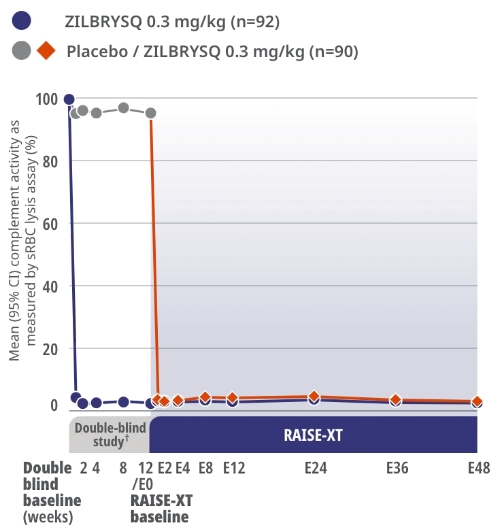
RAISE-XT Complement Inhibition

Complement inhibition was achieved after Week 1 and sustained through Week E483*

RAISE XT Other Endpoint: Complement activity as shown by sRBC lysis assay
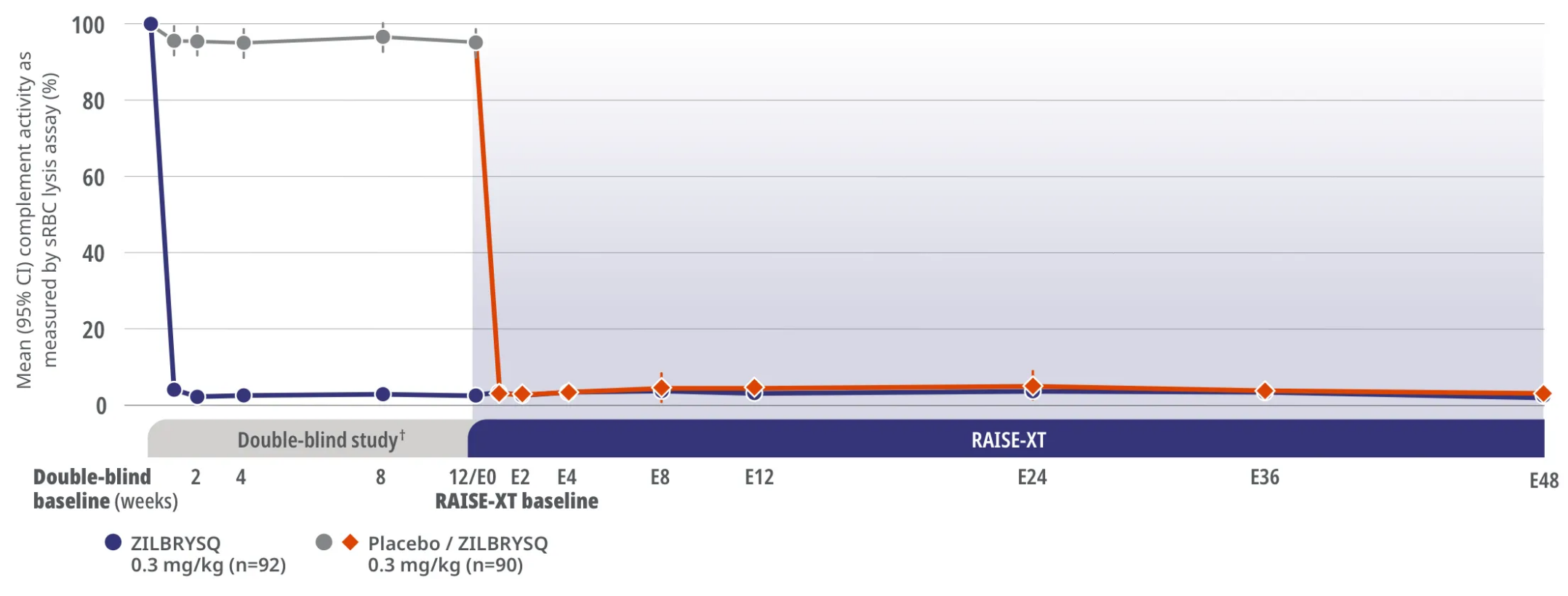
Chart representing Complement inhibition was achieved after Week 1 and sustained through Week E48 Chart representing Complement inhibition was achieved after Week 1 and sustained through Week E48 Chart representing Complement inhibition was achieved after Week 1 and sustained through Week E48

Study Limitations: The open-label extension study was designed to evaluate safety and was not placebo controlled; therefore, efficacy or clinical significance should be interpreted with caution.

Assessment of complement activity using sRBC lysis assay was a pharmacodynamics outcome.3

In RAISE-XT, Week E48 was the data cut (September 8, 2022) for the assessment of complement activity.3

RAISE-XT is an ongoing, multicenter, open-label extension study of ZILBRYSQ in adult study participants with anti-AChR Ab+ gMG who completed the Phase 2 or Phase 3 (RAISE) study (N=200). The analysis cutoff date was September 8, 2022.3

The safety and efficacy of ZILBRYSQ were evaluated in RAISE, a 12-week, multicenter, randomized, double-blind, placebo-controlled study. The patient population included adult patients with a diagnosis of mild-to-severe gMG (MGFA class II-IV).2

CI=confidence interval; LS=least squares; MGFA=Myasthenia Gravis Foundation of America; mITT=modified intention-to-treat; SD=standard deviation; SE=standard error; sRBC=sheep red blood cell.

References:

  1. Howard JF Jr, Bresch S, Genge A, et al; RAISE Study Team. Safety and efficacy of zilucoplan in patients with generalised myasthenia gravis (RAISE): a randomised, double-blind, placebo-controlled, Phase 3 study. Lancet Neurol. 2023;22(5):395-406. doi:10.1016/S1474-4422(23)00080-7
  2. ZILBRYSQ [Prescribing Information]. Smyrna, GA: UCB, Inc.
  3. Howard JF Jr, Bresch S, Farmakidis C, et al. Long-term safety and efficacy of zilucoplan in patients with generalized myasthenia gravis: interim analysis of the RAISE-XT open-label extension study. Ther Adv Neurol Disord. 2024;17(3):1-16. doi:10.1177/17562864241243186
  4. Howard JF Jr, Freimer M, Genge A, et al. Response rates with zilucoplan in generalised myasthenia gravis: 120-week interim analysis of RAISE-XT. Presented at: International Congress on Neuromuscular Diseases; October 25-29, 2024; Perth, Australia. Session OS.03.06.
  5. Howard JF Jr, Freimer M, Genge A, et al; on behalf of the RAISE-XT Study Team. Long-term safety and efficacy of zilucoplan in generalized myasthenia gravis: 120-week interim analysis of RAISE-XT. Poster presented at: American Academy of Neuromuscular & Electrodiagnostic Medicine Annual Meeting; October 15-18, 2024; Savannah, GA. Poster 192.
  6. Conquer MG. MG Activities of Daily Living (MG-ADL) scale. September 29, 2022. Accessed November 9, 2023. https://www.myastheniagravis.org/mg-activities-of-daily-living-mg-adl-scale/
  7. Vu T, Genge A, Hussain Y, et al; on behalf of the RAISE Investigators. Efficacy and safety of zilucoplan in myasthenia gravis: responder analysis from the randomized Phase 3 RAISE trial. Poster presented at: American Association of Neuromuscular & Electrodiagnostic Medicine Annual Meeting; September 21-24, 2022; Nashville, TN. Poster 200.

ZILBRYSQ is a complement C5 inhibitor approved for the treatment of gMG in adult patients who are anti-AChR Ab+. I encourage you to review the safety and efficacy data for this once-daily, subcutaneous self-injection.

KOL Image KOL Image KOL Image

ZILBRYSQ is a complement C5 inhibitor approved for the treatment of gMG in adult patients who are anti-AChR Ab+. I encourage you to review the safety and efficacy data for this once-daily, subcutaneous self-injection.

Dr Suraj Muley is a paid consultant of UCB, Inc.

Suraj Muley, MD*

Professor of Neurology

Bob Bove Neuroscience Institute

Paradise Valley, AZ

SAFETY

RAISE: safety and tolerability were demonstrated in a Phase 3 pivotal study1,2

Adverse reactions in ≥5% of patients treated with ZILBRYSQ and more frequently than in patients who received placebo were1:

Adverse reactions Placebo
(n=88) %
ZILBRYSQ 0.3 mg/kg
(n=86) %
Injection site reactions 16 29
Upper respiratory tract infections 7 14
Diarrhea 2 11
Urinary tract infection 5 8
Nausea or vomiting 7 8
Lipase increased 0 7
Amylase increased 1 5

The most common adverse reactions (reported in at least 10% of patients treated with ZILBRYSQ) were injection site reactions, upper respiratory tract infections, and diarrhea.

RAISE-XT primary endpoint: safety and tolerability3,4

ZILBRYSQ was generally well-tolerated with most TEAEs mild to moderate in severity at a median exposure of 2.2 years (range: 0.1-5.6 years).4

  • TEAEs seen in the RAISE-XT study were similar to those seen in the RAISE study. No new safety concerns were raised.3
  • 10.5% of patients (n=21) discontinued ZILBRYSQ by Week E108 due to TEAEs.4

In RAISE-XT, morphea was observed in 10 (5%) patients; most cases had a time to onset longer than 1 year after start of treatment and were mild to moderate in severity. One patient discontinued ZILBRYSQ due to morphea.1

Most common treatment-emergent adverse events (TEAEs) were4

Adverse reaction All ZILBRYSQ
(N=200)
Duration of ZILBRYSQ exposure, years, median (range) 2.2 (0.1-5.6)
Any TEAE, n (%) 194 (97.0)
COVID-19, n (%) 71 (35.5)
Myasthenia gravis, n (%) 59 (29.5)
Headache, n (%) 44 (22.0)
Nasopharyngitis, n (%) 42 (21.0)
Arthralgia, n (%) 36 (18.0)
Diarrhea, n (%) 34 (17.0)
URTI, n (%) 34 (17.0)
UTI, n (%) 33 (16.5)
Nausea, n (%) 32 (16.0)
Fatigue, n (%) 31 (15.5)
Serious TEAE, n (%) 81 (40.5)
TEAE resulting in permanent withdrawal from IMP,* n (%) 21 (10.5)
Treatment-related TEAE, n (%) 73 (36.5)
Severe TEAE, n (%) 72 (36.0)
TEAEs leading to death, n (%) 4 (2.0)

Includes all deaths.4

No deaths were considered treatment related. TEAEs leading to death included cardiac arrest (n=2) and accidental head injury (n=1) and death from an unknown cause (n=1).4
Most common TEAEs occurring in ≥15% of patients overall are reported only.4
Data cutoff: November 11, 2023.4

Warnings & Precautions1

Serious Meningococcal Infections

  • Complete or update meningococcal vaccination (for serogroups A, C, W, Y, and B) at least 2 weeks prior to administration of the first dose of ZILBRYSQ, according to the full ZILBRYSQ Prescribing Information for patients receiving a complement inhibitor. Revaccinate patients in accordance with ACIP recommendations considering the duration of ZILBRYSQ therapy.
  • If urgent ZILBRYSQ therapy is indicated in a patient who is not up to date with meningococcal vaccines according to the full ZILBRYSQ Prescribing Information, provide the patient with antibacterial drug prophylaxis and administer meningococcal vaccines as soon as possible.
  • The optimal durations and drug regimens for prophylaxis and their efficacy have not been studied in unvaccinated or vaccinated patients receiving complement inhibitors, including ZILBRYSQ.
  • Vaccination does not eliminate the risk of meningococcal infections, despite development of antibodies following vaccination.
CLOSELY MONITOR patients for early signs and symptoms of meningococcal infection

CLOSELY MONITOR patients for early signs and symptoms of meningococcal infection and evaluate patients immediately if infection is suspected.

INFORM patients of early signs and symptoms of meningococcal infection

INFORM patients of early signs and symptoms of meningococcal infection.

INSTRUCT patients to seek immediate medical care if these signs and symptoms occur

INSTRUCT patients to seek immediate medical care if these signs and symptoms occur.
Promptly treat known infections.
Meningococcal infection may become rapidly life-threatening or fatal if not recognized and treated early.

Keeps at room temp for up to 3 months

CONSIDER INTERRUPTION of ZILBRYSQ in patients who are undergoing treatment for serious meningococcal infection, depending on the risks of interrupting treatment in the disease being treated.

Other infections1

Serious infections with Neisseria species (other than Neisseria meningitidis), including disseminated gonococcal infections, have been reported in patients treated with complement inhibitors.

ZILBRYSQ blocks terminal complement activation; therefore, patients may have increased susceptibility to infections, especially with encapsulated bacteria, such as infections caused by Neisseria meningitidis but also Streptococcus pneumoniae, Haemophilus influenzae, and to a lesser extent, Neisseria gonorrhoeae.

Administer vaccinations for the prevention of Streptococcus pneumoniae infection according to Advisory Committee on Immunization Practices (ACIP) recommendations. Patients receiving ZILBRYSQ are at increased risk for infections due to these organisms, even if they develop antibodies following vaccination.

Pancreatitis and other pancreatic conditions1

Pancreatitis and pancreatic cysts have been reported in patients treated with ZILBRYSQ.

RAISE-XT

Adverse reaction ZILBRYSQ 0.3 mg/kg
n (%)
Pancreatitis 4 (1.9%)
Pancreatic cysts 3 (1.4%)

During the open-label extension studies, 7 (3.3%) patients experienced pancreatic events, including 4 (1.9%) patients with pancreatitis and 3 (1.4%) with pancreatic cysts.

Patients should be informed of the risk of pancreatitis and other pancreatic conditions before starting ZILBRYSQ.

Discontinue ZILBRYSQ in patients with suspected pancreatitis and initiate appropriate management until pancreatitis is ruled out or has resolved.

RAISE

Adverse reactions Placebo
(n=88) n (%)
ZILBRYSQ 0.3 mg/kg
(n=86) n (%)
Lipase increased 0% 6 (6.9%)
Amylase increased 1 (1.1%) 4 (4.7%)

In the 3-month, double-blind Study 1, adverse reactions of increased lipase were reported in 6 (6.9%) patients treated with ZILBRYSQ compared to no patients on placebo, and adverse reactions of increased amylase were reported in 4 (4.7%) patients treated with ZILBRYSQ compared to 1 (1.1%) patient on placebo. Lipase levels exceeded three times the upper limit of normal in 6 (7%) patients after being started on ZILBRYSQ compared to no patients on placebo.

Obtain lipase and amylase levels at baseline before starting treatment with ZILBRYSQ.

ZILBRYSQ REMS (Risk Evaluation and Mitigation Strategy)1

ZILBRYSQ is available only through the ZILBRYSQ REMS due to the risk of serious meningococcal infections1

What is a REMS?

A REMS is a strategy to manage known or potential risks associated with a drug and is required by the FDA to ensure that the benefits of the drug outweigh the risks.5

ZILBRYSQ, a complement inhibitor, increases a patient’s susceptibility to serious, life-threatening, or fatal infections caused by meningococcal bacteria (septicemia and/or meningitis) in any serogroup, including non-groupable strains.1

Alert icon

Life-threatening and fatal meningococcal infections have occurred in both vaccinated and unvaccinated patients treated with complement inhibitors.

The initiation of ZILBRYSQ treatment is contraindicated in patients with unresolved serious Neisseria meningitidis infection.

All healthcare providers who prescribe ZILBRYSQ must be certified in the ZILBRYSQ REMS. Certification includes a review of REMS educational materials and enrollment into the ZILBRYSQ REMS, which can be found by visiting www.ZILBRYSQREMS.com.1

  • Prescribers must counsel patients about the risk of serious meningococcal infection.
  • Prescribers must provide the patients with the REMS educational materials.
  • Prescribers must assess patient vaccination status for meningococcal vaccines (against serogroups A, C, W, Y, and B) and vaccinate if needed according to current ACIP recommendations 2 weeks prior to the first dose of ZILBRYSQ.
  • Patients must be instructed to carry the Patient Safety Card with them at all times during and for 2 months following treatment discontinuation with ZILBRYSQ.

COVID-19=coronavirus disease 2019; IMP=investigational medicinal product; TEAE=treatment-emergent adverse event; URTI=upper respiratory tract infection; UTI=urinary tract infection.

References:

  1. ZILBRYSQ [Prescribing Information]. Smyrna, GA: UCB, Inc.
  2. Vu T, Genge A, Hussain Y, et al; on behalf of the RAISE Investigators. Efficacy and safety of zilucoplan in myasthenia gravis: responder analysis from the randomized Phase 3 RAISE trial. Poster presented at: American Association of Neuromuscular & Electrodiagnostic Medicine Annual Meeting; September 21-24, 2022; Nashville, TN. Poster 200.
  3. Howard JF Jr, Bresch S, Farmakidis C, et al. Long-term safety and efficacy of zilucoplan in patients with generalized myasthenia gravis: interim analysis of the RAISE-XT open-label extension study. Ther Adv Neurol Disord. 2024;17(3):1-16. doi:10.1177/17562864241243186
  4. Howard JF Jr, Freimer M, Genge A, et al. Response rates with zilucoplan in generalised myasthenia gravis: 120-week interim analysis of RAISE-XT. Presented at: International Congress on Neuromuscular Diseases; October 25-29, 2024; Perth, Australia. Session OS.03.06.
  5. Risk Evaluation and Mitigation Strategies (REMS). US Food & Drug Administration. Updated May 16, 2023. Accessed October 29, 2024. https://www.fda.gov/drugs/drug-safety-and-availability/risk-evaluation-and-mitigation-strategies-rems

ZILBRYSQ is a complement C5 inhibitor approved for the treatment of gMG in adult patients who are anti-AChR Ab+. I encourage you to review the safety and efficacy data for this once-daily, subcutaneous self-injection.

KOL Image KOL Image KOL Image

ZILBRYSQ is a complement C5 inhibitor approved for the treatment of gMG in adult patients who are anti-AChR Ab+. I encourage you to review the safety...

Explore the safety data for ZILBRYSQ, along with important information on the ZILBRYSQ REMS.

Explore the safety data for ZILBRYSQ, along with important information on the ZILBRYSQ REMS.

*Dr Suraj Muley is a paid consultant of UCB, Inc.

Suraj Muley, MD*

Professor of Neurology

Bob Bove Neuroscience Institute

Paradise Valley, AZ

As a healthcare provider, I value the flexibility of the dosing schedule of ZILBRYSQ, offering my adult patients with anti-AChR Ab+ gMG a once-daily treatment option that fits into their daily routine.

KOL Image KOL Image KOL Image

As a healthcare provider, I value the flexibility of the dosing schedule of ZILBRYSQ, offering my adult patients with anti-AChR Ab+ gMG a once-daily treatment option that fits into their daily routine.

Dr Suraj Muley is a paid consultant of UCB, Inc.

Suraj Muley, MD*

Professor of Neurology

Bob Bove Neuroscience Institute

Paradise Valley, AZ

DOSING AND ADMINISTRATION

ZILBRYSQ is a once-daily, subcutaneous self-injection that fits into patients’ daily lives and can be taken at home or away.1,2

Ability to use at home or away

Ability to use at home or away

Ready-to-use prefilled syringe

Ready-to-use prefilled syringe

Once-daily administration

Once-daily administration

Keeps at room temp for up to 3 months

Keeps at room temp for up to 3 months*

Pharmacy must refrigerate until ready to dispense ZILBRYSQ.1†

ZILBRYSQ prefilled syringes may be stored at room temperature up to 86 °F (30 °C) in the original carton for a single period of up to 3 months. Once ZILBRYSQ has been stored at room temperature, write the date removed from the refrigerator in the space provided on the carton and discard if not used within 3 months or if the expiration date has passed, whichever occurs first. If stored in the refrigerator, ZILBRYSQ may take 30 to 45 minutes to warm up to room temperature before injecting. Do not return ZILBRYSQ to the refrigerator after it has been stored at room temperature.1

Pharmacy must keep ZILBRYSQ refrigerated at 2 °C to 8 °C (36 °F to 46 °F) in the original carton until dispensing.1

Watch Dr Eduardo De Sousa discuss self-administration

References:

  1. ZILBRYSQ [Prescribing Information]. Smyrna, GA: UCB, Inc.
  2. Howard JF Jr, Bresch S, Genge A, et al; RAISE Study Team. Safety and efficacy of zilucoplan in patients with generalised myasthenia gravis (RAISE): a randomised, double-blind, placebo-controlled, Phase 3 study. Lancet Neurol. 2023;22(5):395-406. doi:10.1016/S1474-4422(23)00080-7

As a healthcare provider, I value the flexibility of the dosing schedule of ZILBRYSQ, offering my adult patients with anti-AChR Ab+ gMG a once-daily treatment option that fits into their daily routine.

KOL Image KOL Image KOL Image

As a healthcare provider, I value the flexibility of the dosing schedule of ZILBRYSQ, offering my adult patients with anti-AChR Ab+ gMG a once-daily...

Explore the flexible dosing schedule for ZILBRYSQ.

Explore the flexible dosing schedule for ZILBRYSQ.

*Dr Suraj Muley is a paid consultant of UCB, Inc.

Suraj Muley, MD*

Professor of Neurology

Bob Bove Neuroscience Institute

Paradise Valley, AZ

I have found the ZILBRYSQ resources available to adult patients with anti-AChR Ab+ gMG to be an essential tool in my practice. As a healthcare professional, I know how important it is for my patients to feel supported throughout their treatment.

KOL Image KOL Image KOL Image

I have found the ZILBRYSQ resources available to adult patients with anti-AChR Ab+ gMG to be an essential tool in my practice. As a healthcare professional, I know how important it is for my patients to feel supported throughout their treatment.

Dr Suraj Muley is a paid consultant of UCB, Inc.

Suraj Muley, MD*

Professor of Neurology

Bob Bove Neuroscience Institute

Paradise Valley, AZ

RESOURCES

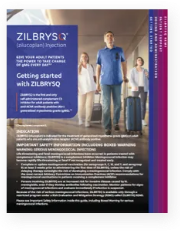
Helpful resources

Understanding and Accessing ZILBRYSQ

ONWARD® Start Form
ONWARD® Start Form

Download this form to get your patients started with ONWARD.

Guide to Writing a Letter of Appeal

Download this guide for information on the appeal process, including a checklist that can be followed when creating a letter of medical appeal, and a sample letter that has information health plans often require.

Prior Authorization/Predetermination Checklist

Download this checklist as an educational resource regarding common prior authorization requirements for ZILBRYSQ.

IRA Medicare Brochure

Download this brochure to learn how, in 2025, Medicare Part D changes will improve affordability for Medicare patients with drug coverage.

Start Guide
Start Guide

Download this brochure to learn more about the benefits of ZILBRYSQ and how to initiate treatment for your patients.

Guide to Writing a Letter of Medical Necessity

Download this guide for a checklist that can be followed when creating a letter of medical necessity, as well as a sample letter that includes the information health plans often require.

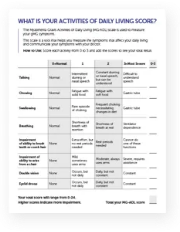
MG-ADL Guide
MG-ADL Guide

Download this guide to help your patients understand how doctors assess the many ways gMG can affect their activities of daily living.

Patient Resources

Step-by-Step Injection Guide

Direct your patients to this brochure to help them understand how to use and store ZILBRYSQ prefilled syringes.

ONWARD Patient Brochure

Provide your patients with this guide to help them learn more about ONWARD personalized support.

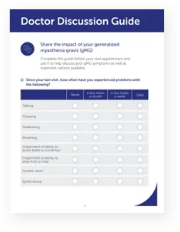
Doctor Discussion Guide

Use this form to get your patients started with ONWARD.

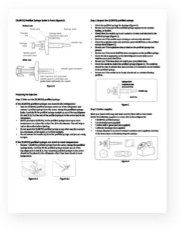
Instructions for Use

Ensure your patients have access to the Instructions for Use before getting started with ZILBRYSQ.

References:

  1. ZILBRYSQ [Prescribing Information]. Smyrna, GA: UCB, Inc.
  2. Howard JF Jr, Bresch S, Genge A, et al; RAISE Study Team. Safety and efficacy of zilucoplan in patients with generalised myasthenia gravis (RAISE): a randomised, double-blind, placebo-controlled, Phase 3 study. Lancet Neurol. 2023;22(5):395-406. doi:10.1016/S1474-4422(23)00080-7

I have found the ZILBRYSQ resources available to adult patients with anti-AChR Ab+ gMG to be an essential tool in my practice. As a healthcare professional, I know how important it is for my patients to feel supported throughout their treatment.

KOL Image KOL Image KOL Image

I have found the ZILBRYSQ resources available to adult patients with anti-AChR Ab+ gMG to be an essential tool in my practice...

Discover a wealth of resources available for ZILBRYSQ.

Discover a wealth of resources available for ZILBRYSQ.

*Dr Suraj Muley is a paid consultant of UCB, Inc.

Suraj Muley, MD*

Professor of Neurology

Bob Bove Neuroscience Institute

Paradise Valley, AZ

IMPORTANT SAFETY INFORMATION INCLUDING BOXED WARNING

ZILBRYSQ, a complement inhibitor, increases the risk of serious infections caused by Neisseria meningitidis. Life-threatening and fatal meningococcal infections have occurred in patients treated with complement inhibitors. These infections may become rapidly life-threatening or fatal if not recognized and treated early. Complete or update vaccination for meningococcal bacteria at least 2 weeks prior to the first dose of ZILBRYSQ, unless the risks of delaying therapy outweigh the risk of developing a serious infection. Comply with the most current Advisory Committee on Immunization Practices (ACIP) recommendations for vaccination against meningococcal bacteria in patients receiving a complement inhibitor. Patients receiving ZILBRYSQ are at increased risk for invasive disease caused by Neisseria meningitidis, even if they develop antibodies following vaccination. Monitor patients for early signs and symptoms of meningococcal infections and evaluate immediately if infection is suspected. ZILBRYSQ is available only through a restricted program called ZILBRYSQ REMS. ZILBRYSQ is contraindicated for initiation in patients with unresolved serious Neisseria meningitidis infection. Additional important warnings and precautions associated with ZILBRYSQ include an increased susceptibility to infections and pancreatitis and pancreatic cysts. The most common adverse reactions (≥10%) were injection site reactions, upper respiratory tract infection, and diarrhea.

INDICATION

ZILBRYSQ (zilucoplan) is indicated for the treatment of generalized myasthenia gravis (gMG) in adult patients who are anti-acetylcholine receptor (AChR) antibody positive.

IMPORTANT SAFETY INFORMATION INCLUDING BOXED WARNING

WARNING: SERIOUS MENINGOCOCCAL INFECTIONS

ZILBRYSQ, a complement inhibitor, increases the risk of serious infections caused by Neisseria meningitidis. Life-threatening and fatal meningococcal infections have occurred in patients treated with complement inhibitors. These infections may become rapidly life-threatening or fatal if not recognized and treated early.

  • Complete or update vaccination for meningococcal bacteria (for serogroups A, C, W, Y, and B) at least 2 weeks prior to the first dose of ZILBRYSQ, unless the risks of delaying therapy outweigh the risk of developing a serious infection. Comply with the most current Advisory Committee on Immunization Practices (ACIP) recommendations for vaccination against meningococcal bacteria in patients receiving a complement inhibitor.
  • Patients receiving ZILBRYSQ are at increased risk for invasive disease caused by Neisseria meningitidis, even if they develop antibodies following vaccination. Monitor patients for early signs and symptoms of serious meningococcal infections and evaluate immediately if infection is suspected.

Because of the risk of serious meningococcal infections, ZILBRYSQ is available only through a restricted program under a Risk Evaluation and Mitigation Strategy (REMS) called ZILBRYSQ REMS.

CONTRAINDICATIONS

ZILBRYSQ is contraindicated for initiation in patients with unresolved serious Neisseria meningitidis infection.

WARNINGS AND PRECAUTIONS

Serious Meningococcal Infections

ZILBRYSQ, a complement inhibitor, increases a patient’s susceptibility to serious, life-threatening, or fatal infections caused by meningococcal bacteria (septicemia and/or meningitis) in any serogroup, including non-groupable strains. Life-threatening and fatal meningococcal infections have occurred in both vaccinated and unvaccinated patients treated with complement inhibitors. The initiation of ZILBRYSQ treatment is contraindicated in patients with unresolved serious Neisseria meningitidis infection.

Complete or update meningococcal vaccination (for serogroups A, C, W, Y and B) at least 2 weeks prior to administration of the first dose of ZILBRYSQ, according to current ACIP recommendations for patients receiving a complement inhibitor.

If urgent ZILBRYSQ therapy is indicated in a patient who is not up to date with meningococcal vaccines according to ACIP recommendations, provide the patient with antibacterial drug prophylaxis and administer meningococcal vaccines as soon as possible.

Closely monitor patients for early signs and symptoms of meningococcal infection and evaluate patients immediately if infection is suspected. Consider interruption of ZILBRYSQ in patients who are undergoing treatment for serious meningococcal infection, depending on the risks of interrupting treatment in the disease being treated.

ZILBRYSQ REMS

Due to the risk of serious meningococcal infections, ZILBRYSQ is available only through a restricted program under a REMS called ZILBRYSQ REMS.

Under the ZILBRYSQ REMS, prescribers must enroll in the program. Prescribers must counsel patients about the risk of serious meningococcal infection, provide the patients with the REMS educational materials, and ensure patients are vaccinated with meningococcal vaccines. Additional information on the REMS requirements is available at www.ZILBRYSQREMS.com or 1-877-414-8353.

Other Infections

Serious infections with Neisseria species (other than Neisseria meningitidis), including disseminated gonococcal infections, have been reported in patients treated with complement inhibitors. ZILBRYSQ blocks terminal complement activation; therefore, patients may have increased susceptibility to infections, especially with encapsulated bacteria, such as infections caused by Neisseria meningitidis but also Streptococcus pneumoniae, Haemophilus influenzae, and to a lesser extent, Neisseria gonorrhoeae. Administer vaccinations for the prevention of Streptococcus pneumoniae infection according to ACIP recommendations. Patients receiving ZILBRYSQ are at increased risk for infections due to these organisms, even if they develop antibodies following vaccination.

Pancreatitis and Other Pancreatic Conditions

Pancreatitis and pancreatic cysts have been reported in patients treated with ZILBRYSQ. Patients should be informed of this risk before starting ZILBRYSQ. Obtain lipase and amylase levels at baseline before starting treatment with ZILBRYSQ. Discontinue ZILBRYSQ in patients with suspected pancreatitis and initiate appropriate management until pancreatitis is ruled out or has resolved.

ADVERSE REACTIONS

In a placebo-controlled study, the most common adverse reactions (reported in at least 10% of gMG patients treated with ZILBRYSQ) were injection site reactions, upper respiratory tract infection, and diarrhea.

Please refer to the full Prescribing Information and visit www.ZILBRYSQHCP.com